Forced SKU Migration: The 2026 Renewal Trap
Vendors are retiring legacy tiers, forcing AI-inclusive SKUs at renewal, often 20-40% more expensive. How to spot the move and resist it.
Hermann Lotter
Founder, Easy Entropy
Founder of Easy Entropy, the company behind Resubly. 20 years in operations with a specialization in fintech automation and AI. I built Resubly after watching auto-renewals slip through finance ops processes one too many times, and I write about the operational discipline that turns SaaS renewals from surprises into decisions.
What Forced SKU Migration Is
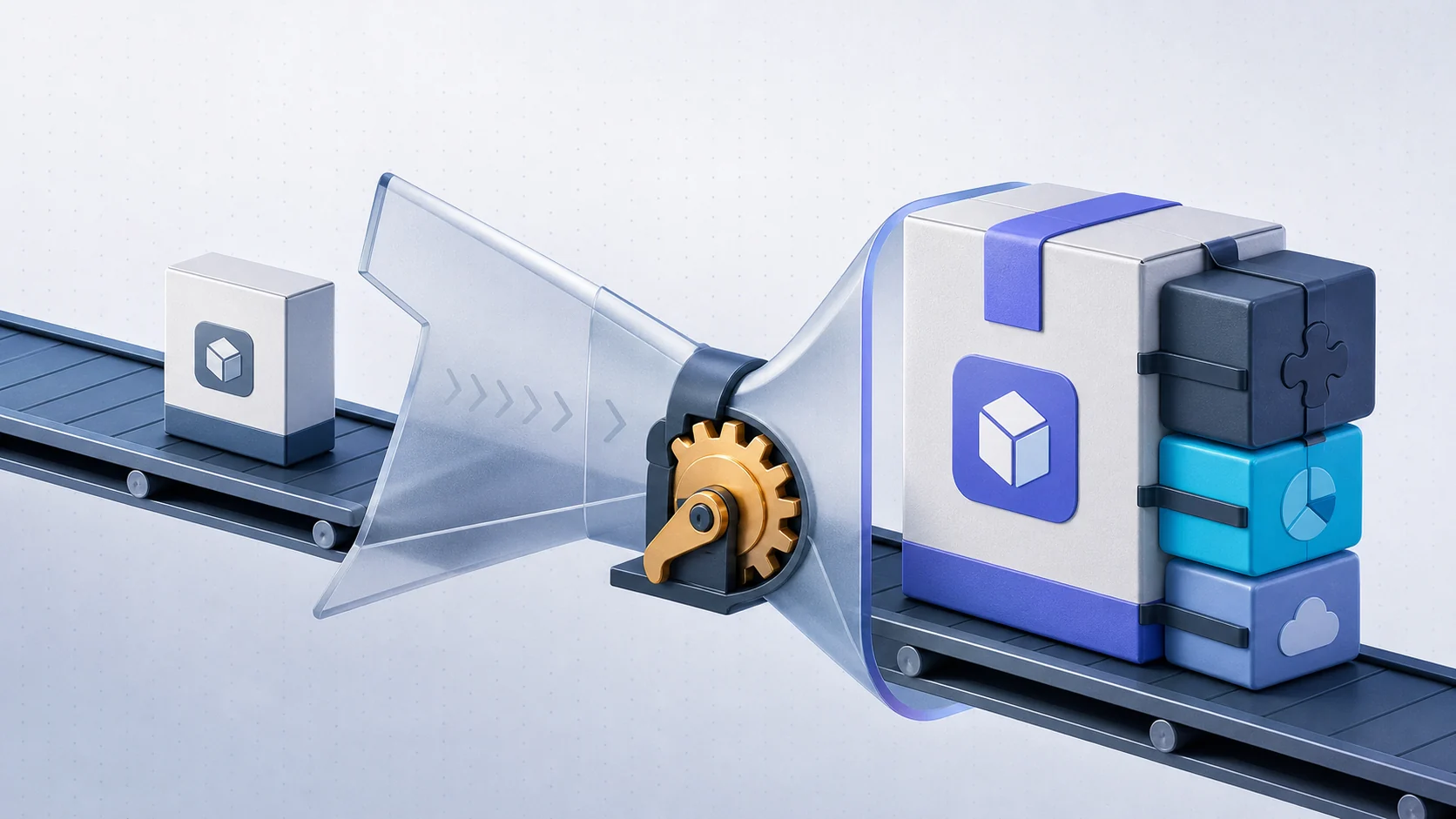
Forced SKU migration is when a vendor eliminates the pricing tier you are currently on and tells you that at renewal you must move to a different, usually more expensive, tier. The notice typically arrives 6 to 12 months before the renewal date, often buried in a routine product update or renewal preview email.
It is not a price increase in the classical sense. The vendor is not lifting the price of your current product; they are lifting you out of that product entirely. From their perspective, the legacy tier is being retired. From yours, you are being upgraded against your will.
Why Vendors Are Doing This in 2026
The driver is AI feature monetisation. Vendors have invested heavily in adding AI capabilities to their products and need a way to recoup the cost. Adding AI to your existing SKU and raising the price would invite renegotiation. Retiring the legacy SKU and replacing it with an AI-inclusive one technically does not.
The second driver is margin compression. Many SaaS businesses are under pressure to lift average revenue per account in flat or declining markets. Forced migration is one of the cleanest ways to do that without triggering churn alarms internally.
Sources: PYMNTS: CFOs Scramble as AI Pricing Breaks Traditional SaaS Billing
How to Spot It Early
The earliest signal is a product announcement that names "new editions" or "next-generation plans" without explicitly confirming your current plan continues to be sold. The next signal is a renewal preview email that lists your "recommended new plan" instead of confirming the current one.
The vendor will rarely say "we are retiring your tier" in plain language. They will say "we are evolving our packaging", "we are simplifying our editions", or "we are introducing a new platform tier that better reflects modern needs". Treat any of these phrases as a forced migration notice until proven otherwise.
What to Negotiate When You Spot It
Your strongest lever is time. If you spot a migration notice 9 months before renewal, you have room to negotiate. If you spot it 30 days before, you do not. Ask explicitly: 'Will my current SKU and pricing be available at renewal, yes or no?' Get the answer in writing.
If the answer is no, the negotiable items are the migration price, the feature scope of the new SKU, and a multi-year price lock on the new tier. Vendors will often hold the migration price for 12 to 24 months in exchange for a longer commitment.
- SKU continuity language: "The Service tier purchased under this agreement will remain available for renewal at the rates set forth herein."
- Migration protection: "Any vendor-initiated change of edition, tier, or SKU requires Customer's written consent and is not deemed a renewal."
- Carve-out for AI: "AI features introduced after the Effective Date do not constitute a SKU change and do not trigger any pricing adjustment."
What If The Renewal Is Already Imminent
If you missed the early signal and the renewal is 30 to 60 days out, your remaining bargaining power is the threat of non-renewal. Run a credible alternative evaluation, even if you do not intend to switch. Vendors price this risk: a customer who has talked to a competitor and is willing to walk gets a different deal than a customer who is just complaining.
If you cannot credibly threaten to leave, the next-best lever is the multi-year commitment. Vendors will often hold the legacy price for a 24- or 36-month term even when their published policy is migration only.
Protecting Future Contracts
Going forward, every new SaaS contract should include explicit SKU continuity language. The cost of adding two sentences during initial negotiation is essentially zero. The cost of fighting a forced migration without that language can be 20 to 40 percent of the contract value.
Add forced migration to your renewal review checklist alongside the other red flags. Anyone reviewing a contract for the first time will not know to look for it unless your process tells them to.
Sources: SaaS Pricing Shift from Per-Seat to Usage, SoftwareSeni